
Driving Question
(Teacher Guided, Student Constructed)
What agritourism experience can we design to increase agricultural literacy and profits on a family-owned farm?
Public Products
Students create a business plan, financial plan, farm map, and visual aids for advertising and promotion.
Connections
Foundations
Milestones
Milestone 1 (Days 1–2): Entry Event
Situation
Students will hear from a farmer about his/her operation. This farmer owns and operates a multi-acre farm with a variety of crops and livestock, and would like to increase profits and agricultural literacy through agritourism. Use this situation to develop a driving question with the students to work in student teams to design an agritourism experience for community members. Students will work through the problem to design an agritourism experience they think will be successful based on sales, profit, and agricultural literacy opportunities.
Key Student Questions
- Can a farm or agricultural business be toured?
- Why would farmers invite people to visit and tour a farm?
- What is it called when people pay to visit or participate in activities at a farm?
- How does agriculture affect our quality of life?
- What does it mean if a person is agriculturally literate?
- How can agritourism increase agricultural literacy?
Formative Assessments
- Chalk Talk
- Class Discussion
Materials
- whiteboard or large poster paper
- various colored markers for whiteboard or poster paper
- local farmer or producer guest speaker (in person or virtually, e.g., via Pathful Connect)
- Farm Prompt – Teacher Copy
- Farm Prompt – Student Copy
Day 1 Instructional Procedures
- Lead a Chalk Talk using a whiteboard or large poster paper. Write and circle the prompt “Places I have toured or visited” in the middle of the board using colored markers. Teacher note: To allow all students to participate in Chalk Talk at once, poster paper can be hung around the room for each group, with the same prompt written on each poster.
- Ask students to come up to the board in small groups and respond by writing their answers around the circled prompt. Give the students a set amount of time (30 seconds to a minute). Students should provide as many answers as they can during the time limit.
- Remind students about the rules of Chalk Talk:
- No talking in class or at the board during Chalk Talk.
- They may circle interesting ideas of other students.
- Write a comment or question to another student’s response.
- Draw lines connecting similar ideas or responses.
- Review the students’ responses.
- Allow students to share experiences of things they saw and learned while touring or visiting these places.
- Look to see if any students provided a response related to agriculture or agritourism.
- If there are agriculture-related responses, direct the students’ focus to those responses on the board. If there are no agriculture-related responses, guide students to consider agriculture and agritourism by asking key questions:
- Can you tour a farm?
- Why would farmers invite visitors to a farm?
- What is it called when people pay to visit an agricultural operation?
- Introduce the term agritourism—any agriculturally-based operation or activity that brings visitors to a farm or ranch.
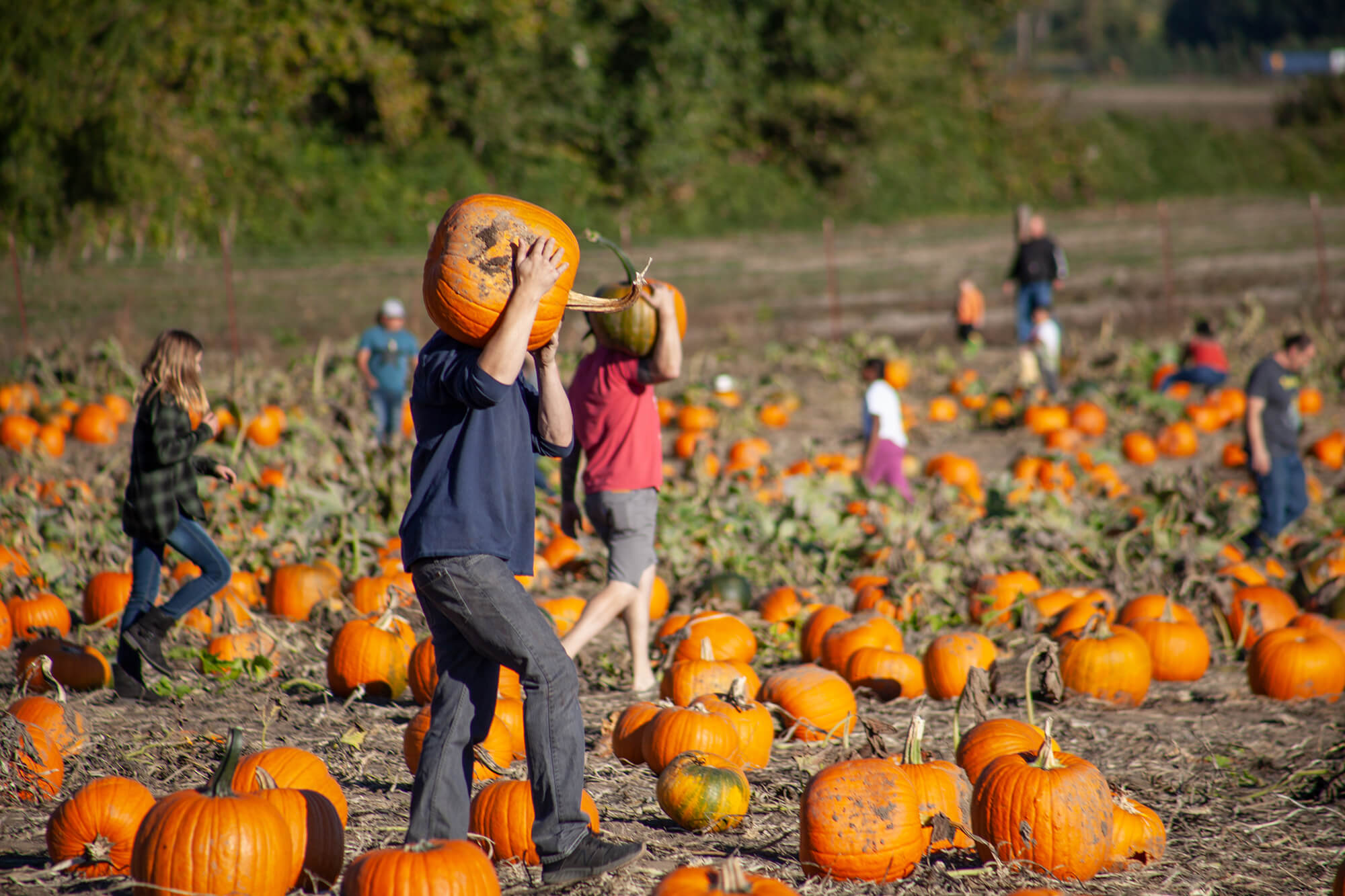
- Ask students to raise their hands if they think they have ever participated in agritourism. Guide students to think about experiences like corn mazes, pick-your-own produce farms, Christmas tree farms, hay rides, historical farms, etc.
- Ask students if there are any local agritourism opportunities in the community. Discuss local or nearby opportunities with the students.
- Give students a set amount of time (10–12 minutes) to research agritourism opportunities within the state.
- Add any remaining agritourism ideas to the Chalk Talk responses.
Day 2 Instructional Procedures
- Review agritourism from the previous day.
- Explain to students that many agritourism businesses focus on educating the public and increasing agricultural literacy.
- Define agricultural literacy to students. Ask the following key questions to get students brainstorming:
- How does agriculture affect our quality of life?
- What does it mean if a person is agriculturally literate?
- How can agritourism promote agricultural literacy?
- Allow students to ask questions and discuss thoughts.
- Explain to students that they are going to meet a local farmer.
- If available, invite a local farmer or producer guest speaker (in person or via online video chat software) to introduce their farm to the class. The farmer may share details about their operation or use the Farm Prompt – Teacher Copy to present the situation. Provide students with the Farm Prompt – Student Copy to follow along as the situation is introduced. Whether in person or virtual, the goal is for students to consider how farmers can connect with the public through agritourism and agricultural literacy.
- Have the farmer present the situation to students: The farmer has noticed many community members don’t understand agriculture and how it affects their quality of life. The farmer has also had a hard year financially and would like to increase profits.
- Guide the students to construct a question similar to, “What agritourism experience can we design to increase agricultural literacy and profits on a family-owned farm?”
- Explain to students that they will be working in teams to create and design an agritourism experience that will provide agricultural literacy opportunities for visitors, as well as increase profits for the farmer.
- Divide the class into groups of 3–4 students. Allow groups to gather and begin brainstorming possible ideas.
Comments (0)