
Driving Question
(Teacher Guided, Student Constructed)
How can we create a product that makes use of beeswax?
Public Products
Develop, manufacture, and market a product using beeswax to be sold at a local boutique or farmers market.
Connections
Foundations
Milestones
Milestone 1 (Day 1): Entry Event
Situation
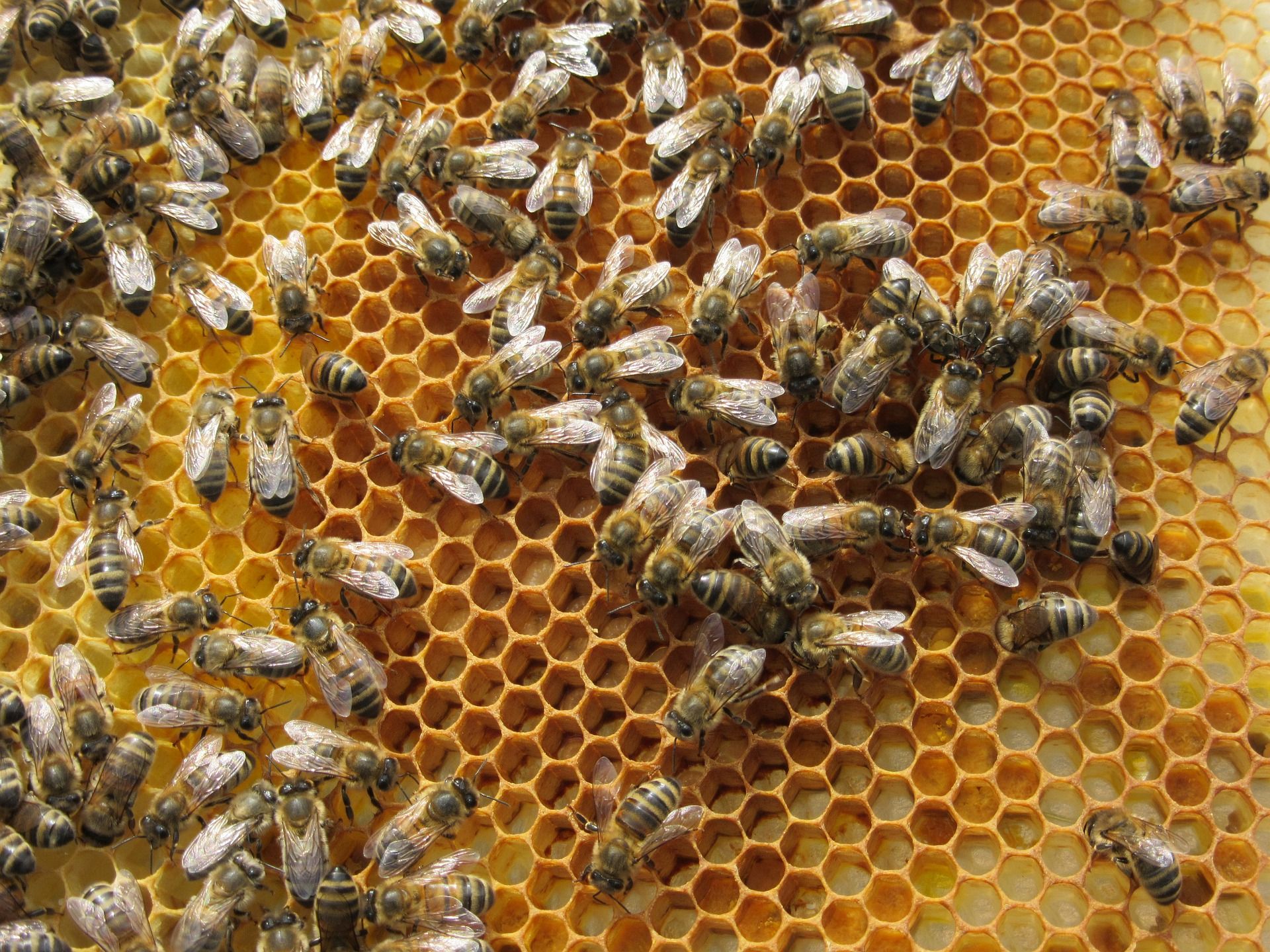
There is a community boutique or local farmers market that is looking for handmade products to be sold. With the popularity of backyard beekeeping, there is an abundance of beeswax. Students will be working in teams to develop, manufacture, and market beeswax lip balm.
Key Student Questions
- How is beeswax produced?
- What are possible products that can be made with beeswax?
Formative Assessments
- Beeswax Products List
Materials
- Honey Extraction – Start to Finish Video
- About Beeswax Slides
- Made With Beeswax Pinterest Board
- Beeswax Pinterest Board
- 101 Uses for Beeswax Article
- team notebook (paper-based or electronic), 1 per team
Instructional Procedures
- Show the first five minutes of the Honey Extraction – Start to Finish Video to see how honey is extracted from beeswax, then fast-forward to minute 12:20 to show wax rendering.
- Use the About Beeswax Slides to discuss how beeswax is produced and processed.
- As a class, generate a list of products that can be made from beeswax. Refer to the Made With Beeswax Pinterest Board, the Beeswax Pinterest Board, and 101 Uses for Beeswax Article for ideas.
- Explain that a community boutique or local farmers market is seeking handmade products to sell. With the popularity of backyard beekeeping, there is an abundance of beeswax. Guide students to craft a driving question such as, “How can we create a product that makes use of beeswax?”
- After identifying the question, inform students they will work in teams to develop, manufacture, and market beeswax lip balm.
- Organize the class into teams of 4–6 students.
- Provide each team with a team notebook (paper-based or electronic). For paper notebooks, choose a binding that allows adding secured pages (e.g., three-ring binder or folder). For electronic notebooks, provide links and sharing permissions.
Comments (0)