
Driving Question
(Teacher Guided, Student Constructed)
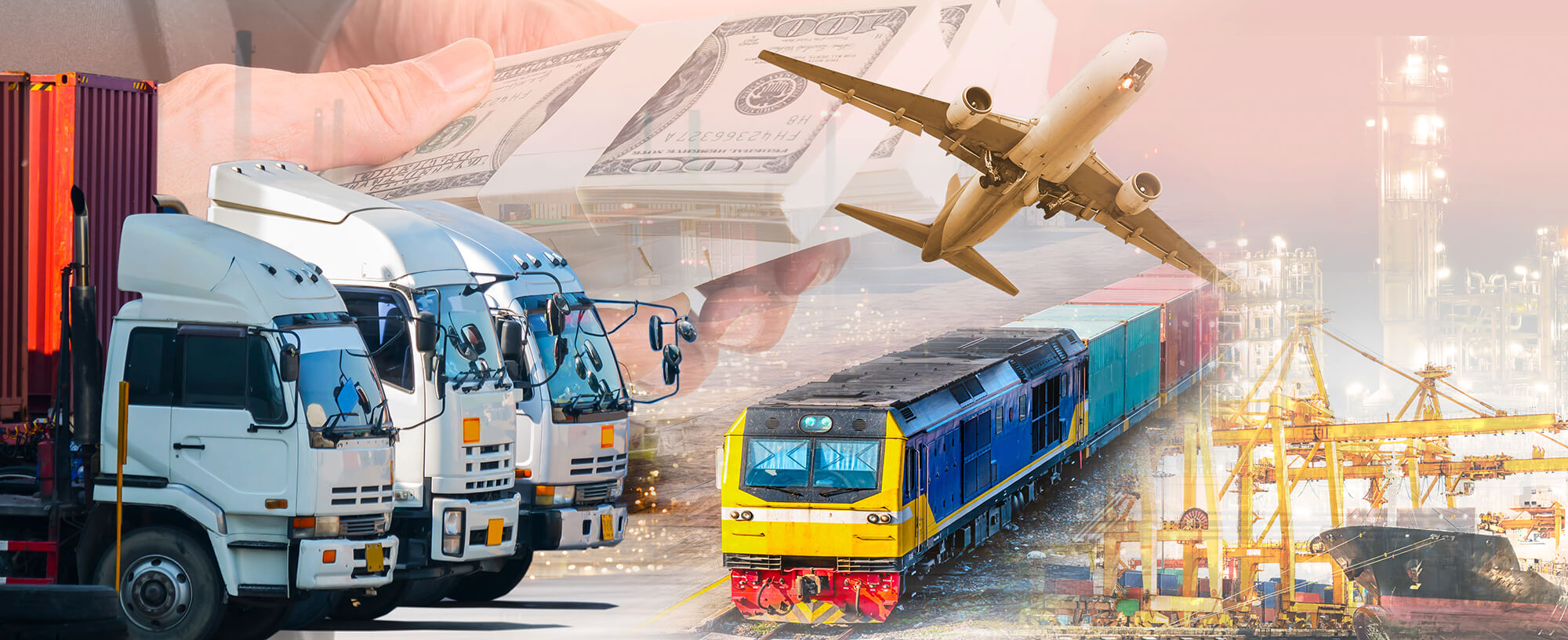
What is the most efficient and cost-effective way to ship products to locations throughout the world?
Public Products
StoryMap presentation of student research and solutions.
Connections
Foundations
Milestones
Milestone 1 (Day 1): Entry Event
Situation
The Dole Food Company has perishable products (bananas) that need to be shipped from Machala City, Ecuador (Banana Capital of the World), to three different locations around the world: Salt Lake City, UT, New York City, NY, and Amsterdam, Netherlands. Dole needs to ensure that the bananas arrive fresh, on time, and at the lowest possible cost.
Key Student Questions
- What are some ways people and goods move from place to place?
- What affects how long it takes or how much it costs to travel?
- Why is transportation such an important part of business and agriculture?
Formative Assessments
- Hop, Skip, or a Jump to School Activity
- Exit Ticket
Materials
- Hop, Skip, or a Jump to School Activity
- Aluminum Ship Competition Instructions, 1 per group
- materials for aluminum ship competition:
- aluminum foil (pre-cut sheets recommended)
- water container (clear, plastic, ~15 qt)
- weights (e.g., metal nuts, pennies, small produce items)
- water
- paper towels and towels
- Ag TransPORTation Fact Sheet
- Day 1 Exit Ticket
Instructional Procedures
- Have students complete the Hop, Skip, or a Jump to School worksheet to compare how they travel to school, recording time and cost. Facilitate a short class discussion on efficiency.
- Provide the Ag TransPORTation Fact Sheet and have students complete “Part 1”.
- Divide students into groups of 2–4 for the aluminum ship competition (“Part 2” of the Ag TransPORTation Fact Sheet). Groups will compete to see who can build an aluminum foil cargo ship that carries the most weight before sinking or tipping.
- Provide each group with the Aluminum Ship Competition Instructions.
- Prepare the materials for aluminum ship competition in advance: fill water containers, and have weights, paper towels, and towels available.
- Groups test their ships by gradually adding cargo items (e.g., pennies, nuts, or small produce) to determine capacity.
- Discuss concepts of balance, buoyancy, and weight distribution with the students.
- Share the Situation with students and explain that the class will be taking on a challenge to help Dole Food Company figure out how to ship perishable products efficiently around the world. Emphasize that over the next few days they will explore how transportation choices affect time, cost, and freshness, and then design their own plan.
- Wrap up with the Day 1 Exit Ticket, asking students to reflect on what they learned about transportation challenges.
Comments (0)