
Driving Question
(Teacher Guided, Student Constructed)
How can we preserve flavorful and nutritious meals for astronauts to take to space?
Public Products
Students will have the opportunity to create a new meal for space travel. Providing a nutritional analysis, and discovering the best way to preserve and package the food so it can successfully be taken into space.
Connections
Foundations
Milestones
Milestone 1 (Days 1–2): Entry Event
Situation
Students will have the opportunity to discover the role food scientists play in NASA. Food scientists are working on creating foods that are both healthy and flavorful for astronauts. Use this situation to develop a driving question with the students to work in teams to create a flavorful and nutritious meal to send into space. Students will discover the best way to preserve food for space and create a flavorful meal that can be eaten in space.
Key Student Questions
- What is different about food in space?
- Is there a way to have smaller portioned meals while still receiving all the nutrients you need?
- How can food be preserved for an extended period of time?
Formative Assessments
- KWL Chart
- Class Discussion
Materials
- paper grocery bag
- KWL Chart
- Dining in Space Video (3:22–8:47)
- All You Ever Wanted to Know About Space Food Video (~28 minutes)
Instructional Procedures
- Have students pull out a blank piece of paper. Explain that they must plan all the food for a two-week trip—breakfast, lunch, dinner, and snacks—with specific quantities. There are no stores en route; what they pack is all they will have.
- Give students 5–8 minutes to create a grocery list and meal plan for each of the 14 days.
- After lists are complete, show a paper grocery bag and explain that everything for the trip must fit inside it.
- Ask: “Is there a realistic way to fit all the food in this bag?” (Likely answers: shrink food, leave some out.)
- Guide a class discussion:
- Is there a way to have smaller-portioned meals while still receiving all needed nutrients?
- How do we preserve foods to keep them longer?
- How did you plan for a balanced diet?
- Ask if there are real situations where you must pack all supplies and cannot restock (e.g., camping, backpacking, boat trip, cabin). If space travel doesn’t come up, prompt a discussion about food in space.
- Explain that food is a vital concern whether camping or traveling to Mars. Write/project these questions and have students discuss with a neighbor:
- Why is food important? What do you want from food?
- What are concerns about food and traveling?
- How could you address those concerns?
- What three things are most important about food for a five-year mission to Mars?
- Give 5–10 minutes for partner discussion, then share out and capture key points on the board.
- Ask: “Based on what you know, could you provide astronauts with meals and proper nutrients that keep them healthy in space without disrupting the mission?”
- Distribute the KWL Chart. Students complete what they “Know”, “Want” to know, and need to “Learn” about food in space. Share responses and note some on the board.
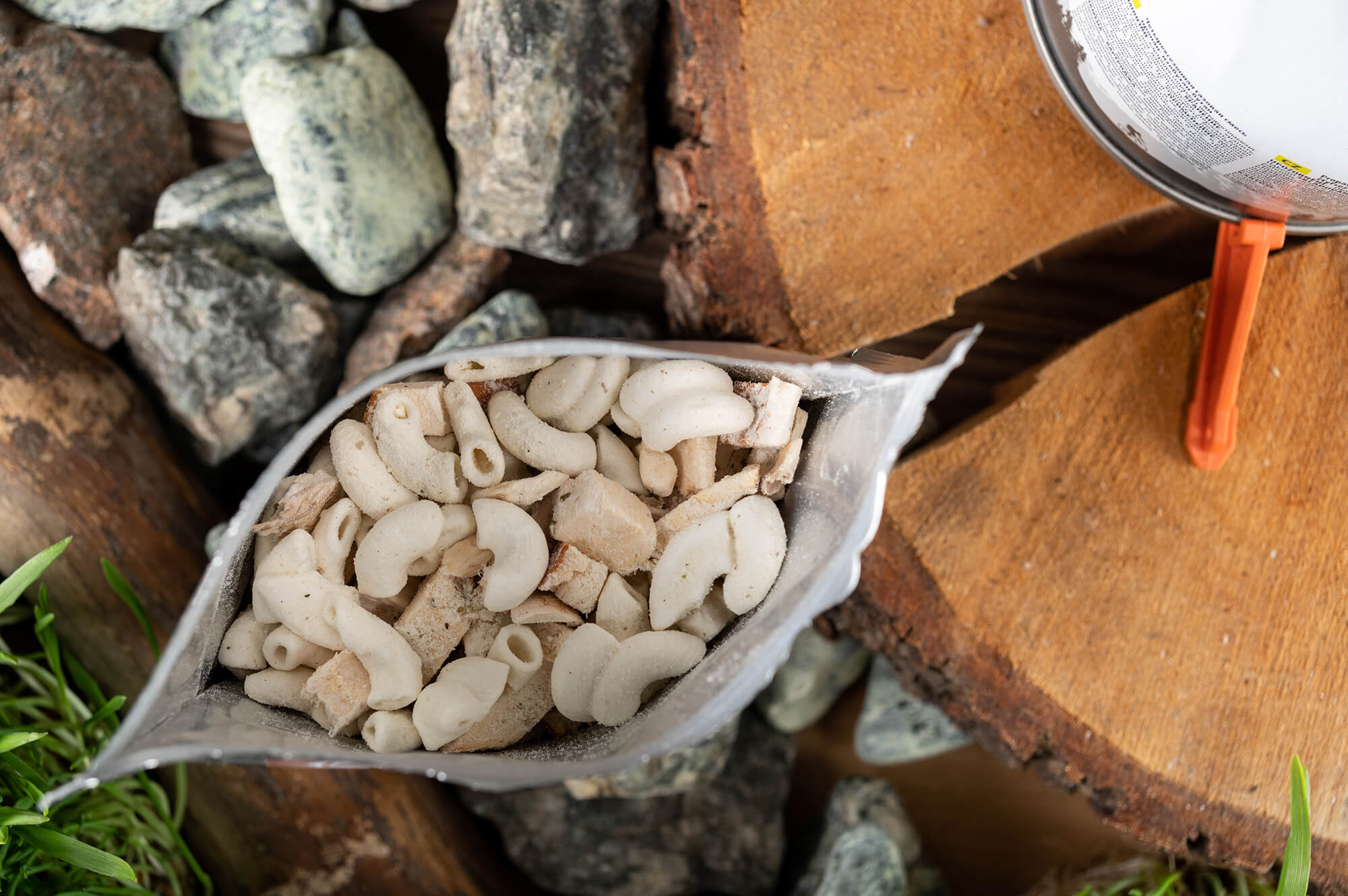
- Watch the Dining in Space Video. Have students add to the KWL chart. Discuss dehydration/freeze-drying to reduce weight/volume and rehydration in space.
- Watch the All You Ever Wanted to Know About Space Food Video. The opening (0–2:20) shows early mission food—ask: “Would you enjoy eating that for an extended period?”
- Discuss that appealing taste and appearance matter. Explain that groups will design a nutritious, space-ready meal. If time allows, continue the video for additional food-science context.
- Guide students to construct a question similar to: “How can we preserve flavorful and nutritious meals for astronauts to take to space?”
Comments (0)